
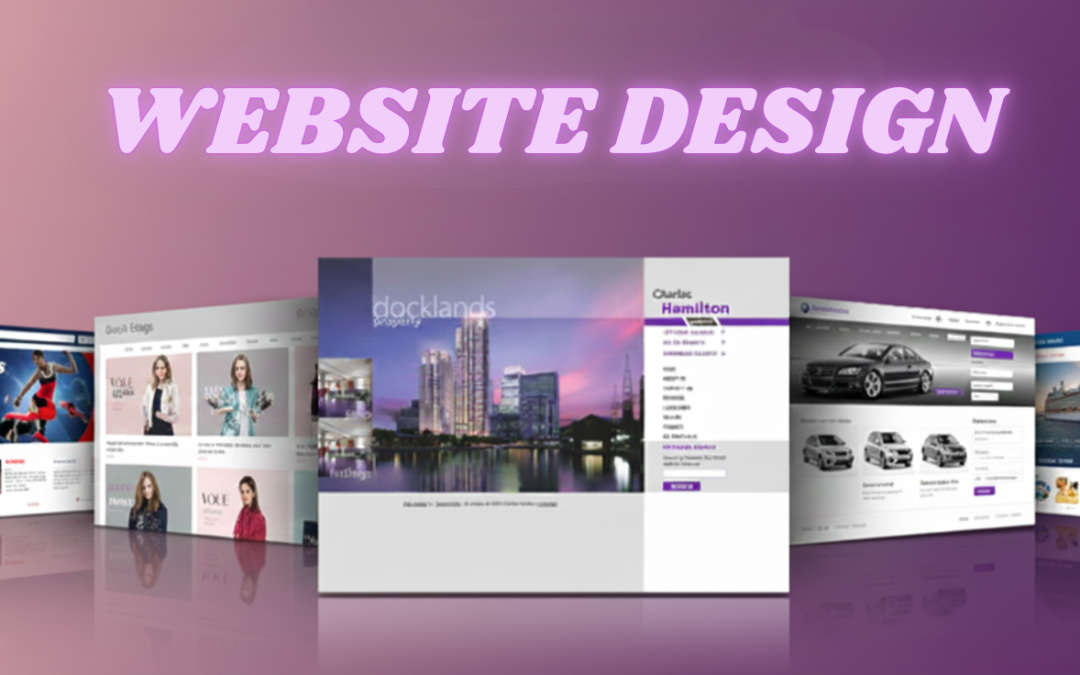
In today’s digital era, a website is more than just an online brochure—it’s the face of your brand, a marketing tool, and a platform to connect with your audience. However, creating a website that looks good is not enough. To stand out in a crowded online space and truly boost your online presence, you need modern website design strategies that combine aesthetics, functionality, and user experience. In this article, we’ll explore actionable strategies that can help you design a website that attracts visitors, engages them, and converts them into loyal customers.
1. Prioritize User Experience (UX) Design
At the core of modern website design is user experience (UX). A website may look stunning, but if users struggle to navigate it, they’ll leave quickly—affecting both engagement and search rankings. To create an excellent UX:
- Simplify navigation – Keep menus intuitive, organized, and minimal.
- Clear call-to-actions (CTAs) – Buttons like “Sign Up” or “Buy Now” should be prominent and easy to find.
- Fast loading speed – Optimize images, use caching, and streamline code to reduce load times.
- Mobile responsiveness – Ensure your website looks and functions well on smartphones and tablets.
Remember, a website that is easy to use keeps visitors engaged, encourages return visits, and improves SEO performance.
2. Use Modern, Clean Visual Design
Visual appeal is critical in website design, but modern trends favor clean, minimalist aesthetics over cluttered layouts. Key design elements to consider include:
- Whitespace – Proper spacing makes content readable and visually appealing.
- Consistent color palette – Choose colors that reflect your brand and maintain consistency throughout the site.
- Readable typography – Select fonts that are easy to read on both desktop and mobile devices.
- High-quality visuals – Use professional images, icons, and graphics to enhance storytelling.
Modern users appreciate websites that are visually appealing but also functional. Minimalist designs not only look sleek but also load faster, improving user experience.
3. Implement Responsive and Mobile-First Design
With more than half of web traffic coming from mobile devices, mobile-first design is no longer optional—it’s essential. Designing for mobile first ensures that your website:
- Adapts seamlessly to different screen sizes
- Loads quickly even on slower mobile networks
- Provides an easy and intuitive navigation experience
Search engines like Google also prioritize mobile-friendly websites in their ranking algorithms, making responsive design crucial for both user experience and SEO.
4. Enhance Interactivity and Engagement
Modern website design is not just about static pages—it’s about creating interactive experiences that engage visitors. Some strategies include:
- Interactive elements – Features like sliders, hover effects, and animations can make your site more engaging.
- Live chat support – Offering real-time assistance improves customer satisfaction and encourages conversions.
- Personalized content – Display content or offers based on user behavior or location.
- Feedback forms and polls – Engage users by letting them share their opinions or preferences.
Interactive websites keep visitors engaged longer, reduce bounce rates, and increase the likelihood of conversions.
5. Optimize for SEO and Performance
A beautifully designed website is useless if it doesn’t appear in search engine results. SEO and website performance optimization are crucial components of modern web design.
- Optimize page speed – Compress images, minimize scripts, and leverage caching.
- Use clean code and proper HTML structure – Helps search engines crawl your site efficiently.
- Integrate keywords naturally – Include relevant keywords in headings, content, and meta descriptions.
- Internal linking – Guide visitors to related content while improving SEO.
By combining design with SEO best practices, you ensure your website not only looks great but also reaches your target audience effectively.
6. Focus on Accessibility
Accessibility is a growing focus in modern web design. An accessible website ensures that users with disabilities can navigate and interact with your content. Strategies include:
- Using alt text for images
- Ensuring high contrast between text and background
- Providing keyboard navigation options
- Using readable fonts and scalable text
Accessible websites improve user experience for everyone and may also positively impact search rankings.
7. Leverage Analytics and Continuous Improvement
A modern website is never truly “finished.” To maximize its impact, you need to track performance and optimize continually:
- Use tools like Google Analytics and Hotjar to monitor traffic, user behavior, and conversion rates.
- Identify underperforming pages and update content, design, or CTAs accordingly.
- Test new design elements, layouts, or interactive features to see what resonates with your audience.
Continuous monitoring and improvement ensure your website evolves with your audience and market trends.
Conclusion
Modern website design goes beyond aesthetics—it’s about creating an engaging, user-friendly, and high-performing online presence. By prioritizing user experience, using clean visuals, ensuring mobile responsiveness, enhancing interactivity, optimizing for SEO, focusing on accessibility, and continuously improving your site, you can build a website that not only attracts visitors but also converts them into loyal customers.
Investing in modern website design strategies is not just about staying current with trends—it’s about creating a digital platform that strengthens your brand, boosts visibility, and drives measurable results. Start implementing these strategies today, and watch your online presence grow.